Tag: Gameplay Tips
HOK Tactics That Make A Difference
Succeeding in the highly competitive environment of Honor of Kings demands more than individual mechanical prowess. True victory stems from executing deliberate, coordinated methodologies that disrupt the opposition's pacing. By implementing advanced operational approaches, teams can easily control the flow of the battlefield and secure consistent victories.
Mastering Efficient Lane Management
Controlling the waves of minions dictates how much space your team can safely utilize across the map. Freezing a minion wave near your defensive structure forces the enemy to overextend if they want to collect resources. This tactical adjustment creates perfect opportunities for your team to execute successful ambushes.
Conversely, pushing minion waves quickly into the opponent structures denies them both gold and experience points. This pressure opens up the map, allowing your allies to invade neutral territory safely. Proper lane manipulation forms the baseline for all high-level operational map dominance.
Optimizing Jungle Invasions and Buff Control
Depriving the opposing jungler of their resources severely cripples their ability to impact the early game. Constantly tracking the enemy paths allows your team to coordinate aggressive movements into their side of the forest. Stealing major neutral enhancements creates a massive power imbalance that shifts the momentum permanently.
Maintaining deep vision inside their neutral camps ensures your team can predict incoming rotations long before they happen. Securing these zones prevents unexpected ambushes and allows your carries to scale comfortably. Strategic jungle disruption remains one of the fastest ways to force an early surrender.
Executing Fluid Map Rotations
Quickly moving across different lanes allows your squad to create temporary numbers advantages during sudden skirmishes. A mid-laner who roams effectively can turn an even engagement into a massive victory for the side lanes. These sudden movements catch uncoordinated opponents completely off guard and yield structural advantages.
Communication through quick tactical signals is essential for keeping everyone perfectly synchronized during fast transitions. Moving as a cohesive unit ensures that no single teammate gets isolated and eliminated. Fluid map positioning bridges the gap between individual talent and true competitive dominance.
Prioritizing Epic Objectives Over Individual Kills
Chasing fleeing enemies often leads to thrown advantages and missed structural opportunities. Advanced teams understand that securing the Tyrant or Overlord provides team-wide enhancements far superior to single eliminations. These powerful neutral monsters grant the extra damage needed to breach high-ground defenses smoothly.
Gathering your team near these objectives slightly before they appear establishes absolute zone control. Forcing the enemy to contest under unfavorable conditions usually results in a clean wipe. Focusing heavily on these permanent advantages ensures your competitive efforts lead directly to a broken enemy crystal.

The Art Of Staying Alive In PUBG
Surviving until the final circle in PlayerUnknown's Battlegrounds requires a profound shift in mindset from aggressive hunting to deliberate preservation. While high-tier aiming skills can win individual duels, a player's long-term survival relies heavily on positioning, threat avoidance, and environmental mastery. Understanding the core mechanics of stealth and movement can transform an average player into a consistent contender for the chicken dinner.
The Value of Low-Profile Navigation
Stealth remains one of the most underutilized assets in the game, as many players give away their positions through unnecessary sprinting. Veteran survivors know how to move between covers without triggering audible clues that alert nearby scouts. By crouching and walking during close-quarters rotations, you drastically minimize your sound footprint on the battlefield.
Furthermore, utilizing natural terrain contours like dips and ridges can shield you from long-range snipers even when moving through open areas. Instead of running directly toward the center of the safe zone, navigating the blue zone edge offers a safer trajectory. This methodical approach ensures that you rarely find yourself ambushed from behind during transitions.
Strategic Gatekeeping and Zone Awareness
Mastering the blue zone timeline allows players to anticipate enemy rotations and establish dominant defensive strongholds before others arrive. Gatekeeping involves positioning yourself along the high-traffic pathways that late-running players must take to enter the safe circle. This tactic allows you to secure clean eliminations while maintaining a heavily fortified position.
However, the key to successful gatekeeping is knowing when to hold your fire and when to commit to a engagement. Attacking every target that crosses your vision can quickly compromise your location to third-party attackers who are waiting for a distraction. Experienced survivors evaluate their immediate surroundings to confirm they have an advanced tactics setup before engaging moving targets.
Inventory Efficiency and Utility Optimization
A major component of staying alive is managing your backpack resources to handle unpredictable late-game scenarios effectively. Many players make the mistake of hoarding hundreds of rifle rounds while neglecting crucial throwing utility. A balanced inventory should prioritize smoke grenades, which serve as mobile cover when navigating open fields under heavy fire.
Frag grenades and molotovs are equally vital for forcing enemies out of defilades or tightly packed compounds without exposing your body. Healing items should also be managed carefully, ensuring you have enough boosters to maintain full health regeneration during intense firefights. Prioritizing utility over excessive ammunition provides the flexibility needed to overcome sudden tactical disadvantages.
Psychological Discipline Under Pressure
The final circles often induce panic, leading to hasty decisions that result in premature elimination from the match. Maintaining a calm composure allows you to monitor the kill feed and pinpoint the remaining active squads left on the map. This mental clarity helps you deduce which directions pose the highest risk as the play area shrinks.
When forced into an unfavorable engagement, adapting your plan instantly is far better than relying on outdated strategies. Every match presents unique geometric puzzles, and the players who remain flexible generally outlast those who panic. Cultivating this mental resilience is ultimately the true secret behind the art of survival.
A Complete Guide To Baccarat Variations
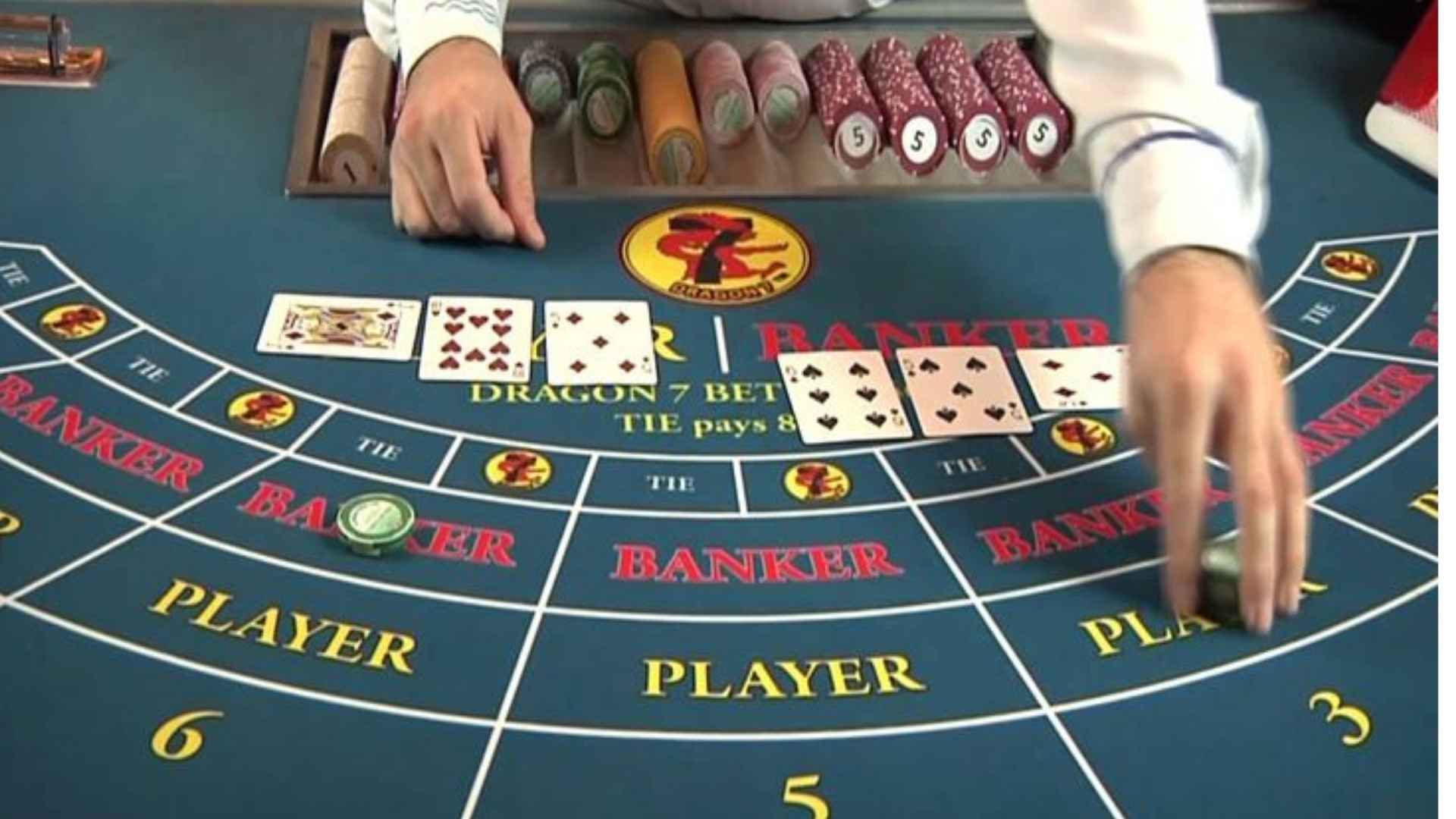
Baccarat has achieved legendary status in the casino world due to its refined reputation and simple mechanics. While most enthusiasts are familiar with the standard casino version, the game actually features several distinct adaptations developed across different regions over time. Exploring these different game styles allows players to enjoy fresh challenges while discovering the rich historical roots of this popular card game.
The Widespread Appeal of Punto Banco
Punto Banco stands as the most common form of baccarat found in modern land-based venues and digital gaming rooms. In this version, the casino coordinates the entire flow of the game, and player movements are dictated entirely by fixed drawing rules. This predictability removes complex decision-making, allowing participants to enjoy a seamless experience without worrying about advanced strategies.
Because the rules are entirely standardized, players can focus entirely on tracking their patterns and practicing responsible bankroll management. This accessibility has made the game an absolute favorite among newcomers looking to grasp the fundamental mechanics quickly. For sports enthusiasts who enjoy exploring diverse digital gaming options, keeping up with platforms like M88 sports can offer excellent insights into modern entertainment hubs.
Embracing Strategy with Chemin de Fer
For those who prefer a more interactive gaming experience, Chemin de Fer introduces a traditional European approach. Unlike the automated nature of modern variants, players take turns assuming the active role of the banker rather than playing against the house. This unique dynamic requires participants to fund the bank themselves and make crucial tactical decisions during gameplay.
When a player acts as the banker, they hold the strategic option to stand or draw an additional card based on the opponent's cards. This format thrives on social engagement and psychological tactics, making it highly popular in high-stakes gaming rooms across Europe. If you appreciate traditional table games where your choices directly influence the atmosphere, this historic variant is exceptionally rewarding.
Discovering the Efficiency of Mini Baccarat
Mini Baccarat delivers the exact same rules and statistical odds as traditional formats but delivers them in a highly optimized setting. It is played on smaller tables resembling blackjack setups, which helps lower the intimidation factor for casual players. The lower betting limits make it incredibly accessible for people who want to practice their skills without risking large amounts of capital.
The defining characteristic of this adaptation is its remarkable dealing speed, which allows for significantly more rounds per hour. By eliminating the formal rituals and large table layouts, it democratizes the card game for general casino audiences. It serves as an excellent training ground for mastering core drawing conditions in a stress-free environment.
The Competitive Structure of Baccarat Banque
Baccarat Banque represents another historic variation that shares similarities with Chemin de Fer but utilizes a more rigid banking system. In this format, the position of the banker is typically awarded to the participant willing to risk the largest initial stake. The designated banker maintains control of the position throughout the entire shoe unless their funds become entirely depleted.
This structure creates an intense, adversarial environment where one player challenges the collective efforts of the rest of the table. The other participants must strategically manage their wagers to systematically chip away at the banker's substantial reserve. Understanding this classic system provides modern enthusiasts with a deeper appreciation for the competitive origins of traditional card games.

Poker Errors That Destroy Your Winning Chances
Poker is a highly dynamic game where small strategic mistakes can quickly accumulate into significant financial losses over a single session. While many casual players tend to blame bad luck for their frequent defeats, the reality remains that repetitive behavioral flaws are usually the primary cause of failure. Recognizing these structural tactical leaks is the first major step toward building a sustainable winning strategy at any table.
Playing an Excessive Number of Hands
One of the most damaging mistakes an enthusiast can make is failing to maintain strict preflop card discipline during long games. Entering active pots with weak or marginal starting cards drastically lowers your mathematical expectation after the community cards are dealt. Developing the patience to fold subpar holdings early will instantly protect your valuable bankroll from highly unnecessary postflop complications.
Your physical position at the table heavily influences how wide or narrow your starting card selection should ideally be. Playing marginal combinations from early table positions forces you to navigate complex scenarios without gathering vital information on your opponents first. Testing your tactical adjustments on trusted platforms like M88.com can help you practice solid preflop selection strategies in real time.
Misplaying Medium Strength Holdings
Another frequent tactical error committed by developing players is overvaluing hands that are merely decent, such as middle pairs or weak top pairs. Competitors often inflate massive pots with these highly vulnerable combinations, mistakenly treating them as unbeatable premium holdings. This aggressive misstep typically ends in absolute disaster when facing tight opponents who have quietly constructed far superior hands.
When facing substantial betting pressure from your opponents, it is crucial to accurately evaluate the relative strength of your current cards. Understanding modern table dynamics helps you realize exactly when a moderate hand is thoroughly beaten by a tighter betting range. Controlling the final size of the pot in these specific scenarios prevents major amounts of chips from bleeding away needlessly.
Completely Disregarding Table Position
Table position is regularly considered the most underappreciated asset in a successful long-term poker strategy. Acting last in a betting round allows you to gather irreplaceable information on your opponents before executing your own strategic move. Ignoring this positional advantage frequently leads to incredibly stressful decisions under heavy pressure from active players who hold tactical control.
Consistently playing out of position forces you to rely on pure guesswork rather than concrete mathematical reads during intense hands. By focusing your aggression primarily when you hold the final action, you can dictate pot sizes much more effectively across multiple streets. This strategic shift transforms highly volatile sessions into much more manageable and profitable encounters over time.
Allowing Emotions to Overrule Logic
Mental fortitude is what separates elite card players from casual enthusiasts over the long run of their careers. Allowing a sudden bad beat or a short-term losing streak to induce frustration results in a dangerous psychological state widely known as tilt. Once sound logic is abandoned for emotional reactions, the overall quality of your decisions deteriorates rapidly at the table.
Maintaining a calm and analytical mindset ensures that every single action is fully backed by mathematical reasoning and pot odds. Recognizing the early symptoms of emotional distress allows you to take necessary breaks before ruining your hard-earned session progress. Cultivating deep psychological resilience remains just as vital as mastering the fundamental card mechanics of the game.