Beginner's Guide to Online Arcade Gaming
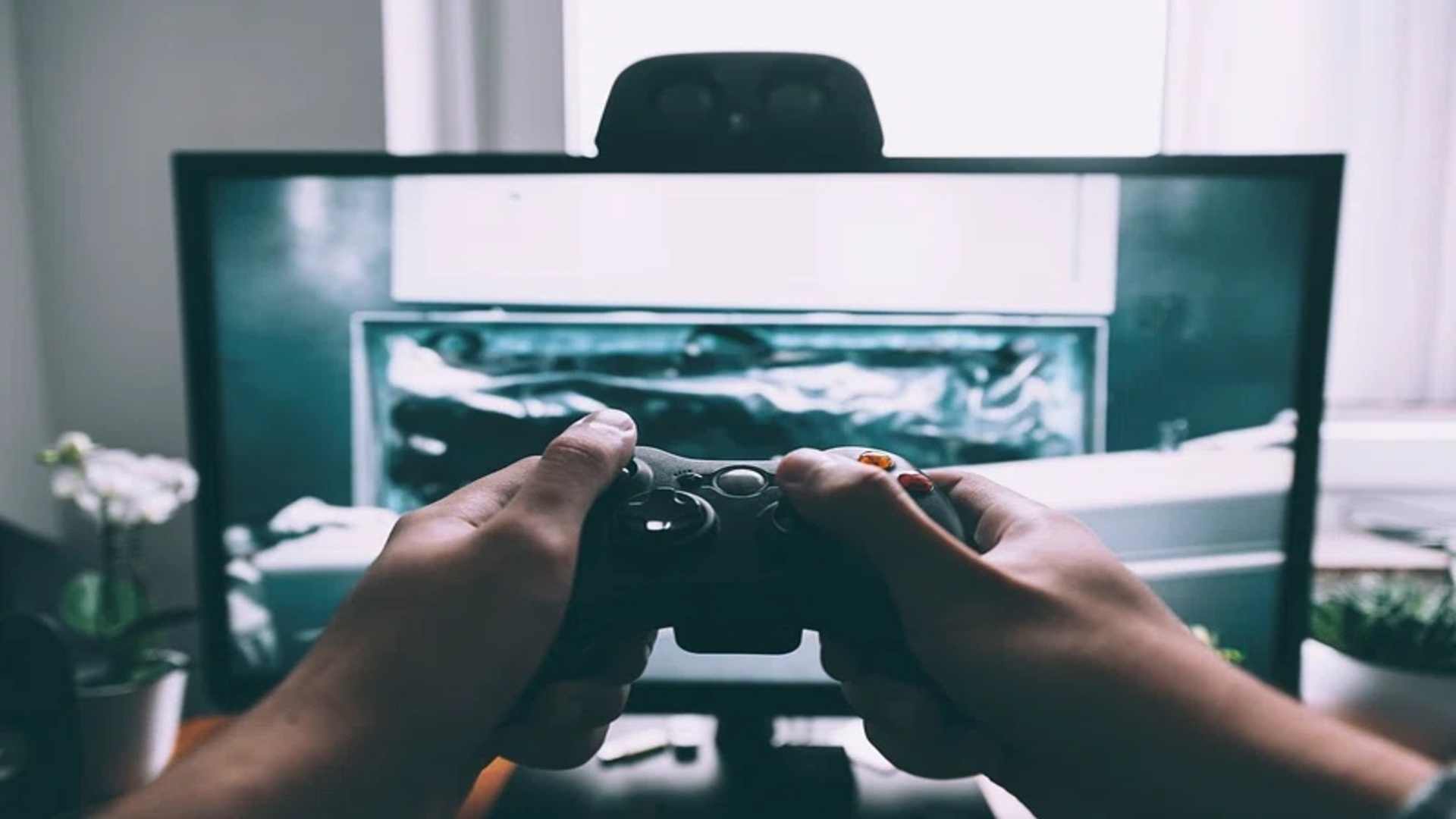
The digital age has transformed the way we perceive entertainment, with online arcade games emerging as a powerful tool for cognitive enhancement. Beyond simple fun, these fast-paced experiences require players to process visual information and execute physical responses with incredible speed. This continuous cycle of observation and action serves as a form of high-intensity training for the human nervous system.
The Science of Speed and Neural Adaptation
When you play a fast-paced game, your brain must quickly interpret moving objects and predict their future positions. This activity strengthens the neural pathways responsible for visual processing and motor control, leading to faster reaction times in real-world scenarios. Over time, the brain becomes more efficient at filtering out distractions to focus on critical stimuli.
Research suggests that regular engagement with challenging digital environments can lead to structural changes in the brain's gray matter. These adaptations allow for more fluid transitions between different mental tasks and improved hand-eye coordination. For enthusiasts looking to explore high-performance platforms, finding a reliable M88 link can provide access to a wide variety of skill-testing titles.
Cognitive Benefits of High-Speed Decision Making
Arcade games often present players with split-second choices that determine success or failure within a level. This environment encourages the development of rapid executive function, which is the ability to plan and execute complex actions under pressure. Players learn to weigh risks and rewards instantly, a skill that translates effectively to professional and athletic environments.
The repetitive nature of these games also builds muscle memory, allowing actions to become nearly automatic. This reduces the cognitive load on the brain during intense sessions, enabling players to focus on higher-level strategies rather than basic movements. Consistent practice ensures that these improved reflexes remain sharp even when the user is not actively playing.
Improving Hand-Eye Coordination through Interactivity
The precise control required to navigate modern arcade levels demands a high level of synchronization between what the eyes see and what the hands do. Whether using a mouse, keyboard, or touchscreen, the player must master fine motor skills to achieve high scores. This constant feedback loop helps refine the accuracy of physical movements over time.
Many games incorporate dynamic elements like shifting gravity or disappearing platforms to keep the experience unpredictable. These hurdles prevent the player from becoming complacent and ensure that the reflex training remains effective. By constantly adapting to new patterns, the player maintains a high state of mental alertness and physical readiness.
Practical Applications of Enhanced Reaction Times
Improved reflexes gained through online gaming can have significant benefits in daily life, such as during driving or sports. The ability to sense a hazard and react a fraction of a second faster can prevent accidents and improve overall safety. Furthermore, these cognitive gains can assist older adults in maintaining their coordination and mental agility as they age.
The social and competitive aspects of online arcades also provide emotional motivation to improve performance. Competing against others or trying to beat a personal best creates a goal-oriented mindset that encourages disciplined practice. This combination of physical training and mental engagement makes online gaming a unique and effective method for personal development.